Made with Levo




Know More About This Test
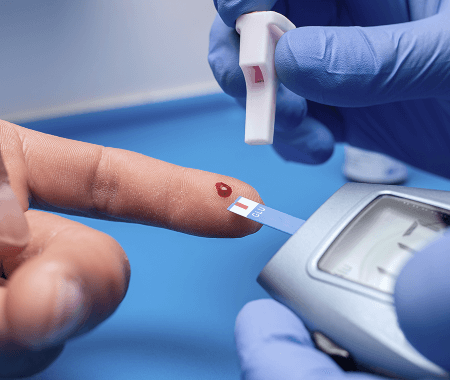
Random blood sugar measures glucose levels at any time of day, regardless of meals. It is a quick screening tool for diabetes and hyperglycemia. Although convenient, it is interpreted along with symptoms and other glucose tests.
Why Is This Test Recommended?
You may need this test to:
Screen for diabetes - the random glucose test is important in diagnosing diabetes.
Monitor diabetes management - for individuals already diagnosed with diabetes.
Diagnose hypoglycemia - not only high but unusually low blood sugar levels can also pose health risks.
Prepare for surgery - prior to any surgical procedures, an RBS test may be conducted to ensure there are no complications due to abnormal glucose levels
Identify diabetic patients who require a supplementary dose of insulin in case of an emergency
Provide immediate glucose data in emergency settings when a fasting test is not feasible or practical
Symptoms or Conditions That May Require a Glucose Random (RBS) Test
You may need this test if you experience:
Symptoms of diabetes such as increased thirst, frequent urination, unexplained weight gain or loss, fatigue, and blurred vision
Sudden episodes of sweating, dizziness, shakiness, confusion, or near-fainting - signs of a possible hypoglycaemic episode
Persistent fatigue or weakness without a clear cause
Slow wound healing or recurrent skin infections that may indicate undiagnosed diabetes
Risk factors for diabetes such as aging, obesity, chronic conditions like heart disease, high blood pressure, or high cholesterol; a family history of diabetes; a sedentary lifestyle; or polycystic ovarian syndrome (PCOS)
Known prediabetes requiring regular glucose monitoring to prevent progression to full diabetes
Advantages of the Glucose Random (RBS) Test
The defining advantage of the RBS test is its unmatched convenience - it requires no fasting, no special preparation, and no scheduling around mealtimes, making it accessible in virtually any clinical or emergency scenario.
This makes it a convenient test for quickly assessing blood sugar levels, especially in emergency or routine screening situations.
It delivers actionable results within hours, enabling rapid clinical decisions.
Detecting elevated blood sugar levels early enables proactive steps like lifestyle changes, dietary modifications, and medication management - reducing the risk of diabetes and its complications such as kidney failure, vision problems, cardiovascular disease, and stroke.
When interpreted alongside the fasting blood sugar, HbA1c, and oral glucose tolerance test results, the RBS provides a crucial data point in building a complete picture of an individual's glucose regulation.
How Is the Test Performed and Prepared For?
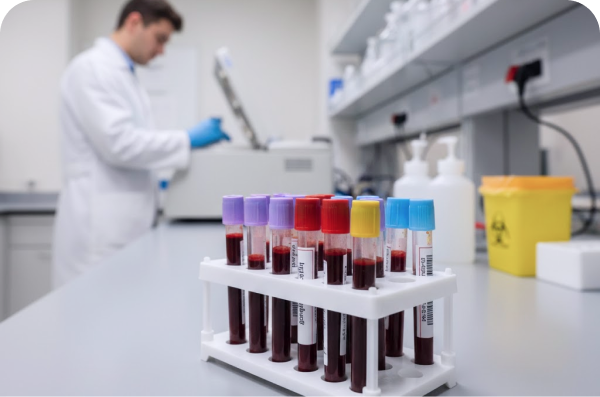
Blood sample is collected. No preparation is required
What Do the Results Indicate?
General reference ranges for Glucose Random (RBS):
Normal: Below 140 mg/dL - indicates the body is effectively regulating glucose and insulin balance, suggesting good metabolic health
Prediabetes (Borderline): 140–199 mg/dL - elevated levels above 140 mg/dL may indicate prediabetes, prompting lifestyle changes to prevent diabetes onset
Diabetes: 200 mg/dL and above - particularly when accompanied by classical symptoms of diabetes (increased thirst, frequent urination, unexplained weight loss, fatigue), an RBS of 200 mg/dL or higher is considered diagnostic of diabetes and requires urgent clinical evaluation and confirmatory testing
Hypoglycaemia: Below 70 mg/dL - low RBS levels may occur due to skipped meals, excessive insulin or diabetes medication, prolonged fasting, or intense physical activity; symptoms can include sweating, dizziness, shakiness, confusion, or fainting, and immediate medical attention is advised.
Lifestyle Tips to Maintain Healthy Blood Sugar Levels
Follow a balanced diet low in refined carbohydrates, added sugars, and processed foods.
Engage in at least 30 minutes of moderate physical activity.
Maintain a healthy body weight.
Eat smaller, more frequent meals at regular intervals rather than large, infrequent ones - this helps prevent dramatic glucose fluctuations throughout the day.
Poor sleep quality and irregular sleep patterns may elevate glucose levels - aim for 7–9 hours of consistent, quality sleep each night as part of a holistic approach to blood sugar management.
Avoid smoking and limit alcohol intake, as both impair insulin function and contribute to unstable blood glucose levels over time.
Manage stress through yoga, meditation, or other relaxation techniques, as chronic psychological stress raises cortisol - a hormone that directly elevates blood glucose levels.
Frequently Asked Questions (FAQs)
Is fasting required?
No; random blood sugar is performed at any time without fasting, making it convenient for quick screening.Can it diagnose diabetes alone?
No; while suggestive when ≥200 mg/dL with symptoms, diabetes diagnosis requires confirmation with fasting glucose or HbA1c testing.Is it reliable?
Yes for screening; it provides a quick snapshot of current glucose levels, though it's less precise than fasting tests.Does stress affect it?
Yes; physical or emotional stress can temporarily raise blood sugar levels by triggering hormones like cortisol and adrenaline.Can results vary daily?
Yes; random blood sugar fluctuates based on recent meals, physical activity, stress, illness, and time of day.Is it used in emergencies?
Yes; random blood sugar is commonly used in emergency settings to quickly assess hyperglycemia or hypoglycemia requiring immediate intervention.