Made with Levo





Understanding Blood Urea:
The Blood Urea Nitrogen (BUN) test is a common and important test used to measure the amount of urea nitrogen in your blood. Urea nitrogen is a natural waste product that forms as your body breaks down proteins found in the foods you eat.
This process begins in the liver, where the protein is broken down, producing urea nitrogen. This waste product then travels through your bloodstream to your kidneys.
Healthy kidneys are responsible for filtering this urea nitrogen, along with other waste products, out of your blood, which is then eliminated from the body through urine.
A small, measured amount of urea nitrogen in your blood is considered normal. However, if your BUN levels are higher than normal, it suggests that your kidneys may not be working as efficiently as they should be at filtering waste.
Conversely, low BUN levels can also indicate certain health issues. Therefore, the BUN test serves as a critical measure for healthcare providers to evaluate how well your kidneys are functioning and to detect potential health conditions.
Understanding Urea Nitrogen
To fully appreciate the significance of the BUN test, it is helpful to understand the role of urea nitrogen. When you consume protein, your body metabolizes it for various functions.
As a byproduct of this protein breakdown, ammonia is produced, which is toxic. The liver converts this toxic ammonia into the less harmful substance known as urea.
Urea consists of nitrogen, hence the term "urea nitrogen." This urea is then released into the blood and transported to the kidneys for excretion.
When the kidneys are compromised, this filtration process slows down or stops, leading to a buildup of urea nitrogen in the blood, which the BUN test measures.
Why is a BUN Test Performed?
A healthcare provider may recommend a BUN test for several reasons, often as part of routine comprehensive metabolic panels or when there is suspicion of kidney impairment. The test is commonly performed:
To Evaluate Kidney Function: The primary use of the BUN test is to assess the health and function of your kidneys. It helps determine if the kidneys are effectively filtering waste from the blood.
To Diagnose Kidney Disease or Damage: If a doctor suspects that a patient has kidney disease or acute kidney damage, the BUN test provides vital information.
To Monitor Chronic Conditions: For individuals with chronic conditions known to affect kidney health, such as diabetes or high blood pressure, the BUN test is used regularly to monitor kidney function and track the progression of the disease or the effectiveness of treatment.
To Help Diagnose Other Conditions: While not solely diagnostic, the BUN test results, especially when viewed alongside other blood tests, can help in diagnosing other serious conditions like liver damage, urinary tract obstruction, gastrointestinal bleeding, or congestive heart failure.
To Check for Dehydration: BUN levels often rise sharply during severe dehydration because reduced fluid volume makes the waste products in the blood more concentrated. In cases of dehydration, BUN levels typically rise more significantly than creatinine levels, resulting in a high BUN-to-creatinine ratio.
The early stages of kidney disease often present without noticeable symptoms. Therefore, if you are at higher risk - due to a family history of kidney disease, diabetes, or high blood pressure - a provider may order a BUN test for screening purposes.
If you experience symptoms associated with later-stage kidney disease, such as a need to urinate more frequently or foamy urine, a BUN test is strongly recommended.
The Procedure: What to Expect
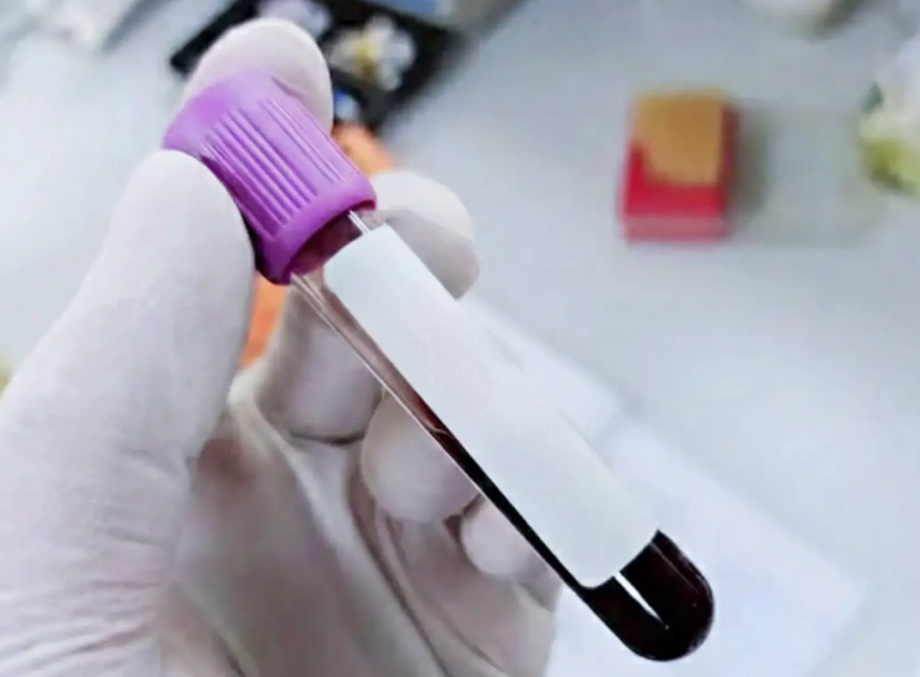
The BUN test is a straightforward blood draw. A member of your healthcare team will insert a needle into a vein in your arm and collect a small sample of blood.
This sample is then sent to a laboratory for analysis.
Preparation: In most cases, if the BUN test is the only test being performed, you can eat and drink normally before the blood draw.
However, if your blood sample is being used for additional tests, such as a comprehensive metabolic panel, you may be required to fast (not eat or drink) for a specific period (often 8 to 12 hours) before the test.
Always follow your doctor’s specific instructions regarding preparation. The procedure itself is quick, and you can usually return to your normal activities immediately afterward.
What do the results mean?
Normal BUN levels can vary, but generally, a high blood urea nitrogen level is a sign that your kidneys are not working well. But abnormal results don't always mean that you have a medical condition that needs treatment.
BUN levels can vary according to your sex. The range can fluctuate. Urea nitrogen levels naturally tend to increase with age.
High BUN Levels:
A high BUN level generally suggests that your kidneys are not filtering waste properly. However, elevated BUN can also be caused by factors unrelated to kidney damage, including:
Dehydration: The most common cause, often resulting from insufficient fluid intake.
High-Protein Diet: Excessive protein consumption leads to more urea production.
Urinary Tract Obstruction: Blockages that prevent urine from leaving the body can back up waste into the bloodstream.
Congestive Heart Failure or Recent Heart Attack: These conditions can reduce blood flow to the kidneys.
Gastrointestinal Bleeding.
Shock or Severe Burns.
Certain Medications: Including some antibiotics.
High BUN levels, especially when accompanied by high creatinine levels (another waste product test), strongly suggest potential kidney damage or failure.
Low BUN Levels:
While high BUN levels are more common when screening for kidney issues, low BUN levels can also be indicative of certain conditions, such as:
Severe Liver Disease: The liver is responsible for producing urea; damage to the liver can reduce urea production.
Low-Protein Diet: A very restrictive low-protein intake can lower the amount of urea produced.
Overhydration (Too much water in the body).
Malnutrition or Small Body Type.
Complementary Tests
Because BUN levels can be affected by factors other than kidney function (like diet or hydration), healthcare providers often order the BUN test along with other blood tests for a more complete picture. The most common related tests include:
Serum Creatinine: Measures the buildup of creatinine, a waste product from muscle tissue breakdown.
Estimated Glomerular Filtration Rate (eGFR): Calculated using the creatinine level, this test estimates the percentage of kidney function you have. It indicates how quickly your kidneys are clearing waste.
In summary, the Blood Urea Nitrogen (BUN) test is an essential metric for gauging overall kidney health and identifying a range of conditions, from simple dehydration to serious kidney disease.
If your results are outside the normal range, your healthcare provider will use this information, along with other clinical assessments and test results, to determine the appropriate diagnosis and course of treatment.
If you have concerns about your BUN results or kidney health, always consult with your healthcare provider for personalized advice and explanation.
Frequently Asked Questions (FAQs)
1. What is a Blood urea test, and why is it important?
The urea test measures the level of urea nitrogen in the blood to assess kidney and liver function. It is important because abnormal levels can indicate serious health conditions, including kidney disease, dehydration, or liver disorders.
Timely testing ensures early diagnosis and effective treatment.
2. What are normal urea levels?
Normal ranges for adults are 7 to 20 mg/dL, while children typically fall between 5 to 18 mg/dL.
Elderly individuals may have slightly higher levels due to natural age-related changes in kidney function. Laboratory standards may vary.
3. Is fasting required for the Blood urea test?
Fasting is generally not required for a urea test.
However, your doctor may provide specific instructions based on your health status and other tests being conducted concurrently.
4. How can diet affect urea levels?
Diet plays a significant role in urea levels.
Consuming a high-protein diet can increase urea production, while a low-protein diet may reduce levels. Balanced protein intake is essential for maintaining normal urea levels.
5. How is kidney function assessed using the Blood urea test?
The urea test provides insight into kidney function by evaluating the ability of the kidneys to filter and excrete waste products.
Abnormal results often lead to additional tests, such as creatinine levels or glomerular filtration rate (GFR), for a comprehensive evaluation.