Made with Levo
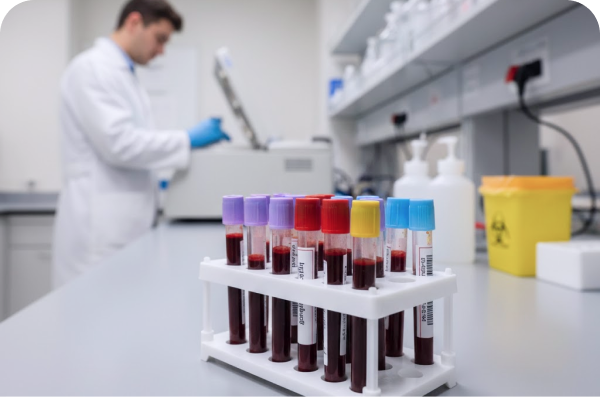


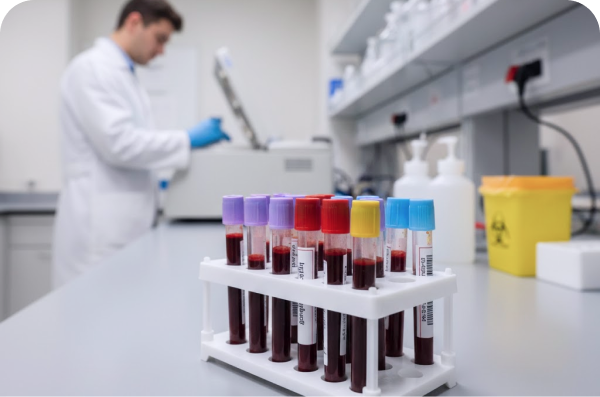


Understanding the Complete Blood Picture (CBP) test
The Complete Blood Picture (CBP) test, also widely known as a Complete Blood Count (CBC), is one of the most common and vital blood tests performed today. It provides a detailed snapshot of your overall health and plays a critical role in detecting, diagnosing, and monitoring a wide range of medical conditions, from common infections to chronic diseases and blood cancers.
What is the Complete Blood Picture (CBP) Test?
The CBP is a group of measurements that examines the types, quantities, and characteristics of the cellular components in your blood. Blood is composed of a fluid portion called plasma and three main types of cells:
Red Blood Cells (RBCs): These cells contain hemoglobin, an iron-rich protein responsible for carrying oxygen from your lungs to all parts of your body.
White Blood Cells (WBCs): These are the key components of your immune system, responsible for fighting infections, inflammation, and diseases.
Platelets: These are cell fragments essential for blood clotting, which helps prevent excessive bleeding and bruising.
Key Components Measured by a CBP
The CBP test provides precise measurements and information about these components, including:
Red Blood Cell (RBC) Count: The total number of red blood cells.
Hemoglobin (HGB): The amount of oxygen-carrying protein in your blood.
Hematocrit (HCT): The proportion (percentage) of your blood volume made up of red blood cells.
Mean Corpuscular Volume (MCV): The average size of your red blood cells. Abnormal sizes can indicate different types of anemia.
Mean Corpuscular Hemoglobin (MCH) and Mean Corpuscular Hemoglobin Concentration (MCHC): Measurements that indicate the average amount and concentration of hemoglobin within your red blood cells.
Red Cell Distribution Width (RDW): Measures the variation in the size and volume of your red blood cells, which is helpful in diagnosing the cause of anemia.
White Blood Cell (WBC) Count: The total number of white blood cells.
White Blood Cell Differential (if included): This measures the number or percentage of each of the five major types of white blood cells:
Neutrophils: Often the first responders to bacterial infections.
Lymphocytes: Important for producing antibodies and fighting viruses.
Monocytes: Responsible for breaking down germs and bacteria.
Eosinophils: Associated with allergic reactions and parasitic infections.
Basophils: Release histamine in response to allergens.
Platelet Count: The total number of platelets in your blood sample.
Mean Platelet Volume (MPV): The average size of your platelets.
Why is the CBP Test Important?
Healthcare providers often order a CBP test as part of a routine physical examination or when a patient presents with unexplained symptoms such as fatigue, fever, bruising, or weakness. The CBP is invaluable because it helps:
Diagnose Blood Disorders and Infections:
Anemia: Low levels of RBCs, HGB, or HCT can indicate anemia, caused by deficiencies (like iron or B12) or blood loss.
Infection/Inflammation: A high WBC count (Leukocytosis) usually signals an infection, inflammation, or an allergic reaction.
Immune System Disorders: Abnormal WBC counts may point toward conditions like autoimmune diseases or bone marrow disorders.
Monitor Existing Conditions: For patients with chronic diseases like cancer, chronic kidney disease (CKD), or ongoing infections, the CBP helps track the progression of the condition.
Monitor Treatment Efficacy: The test is used to check how well a treatment (such as chemotherapy or antibiotics) is working or to monitor potential side effects of medications that might affect blood cell counts.
Check for Bleeding Issues: Abnormal platelet counts (Thrombocytosis for high count, Thrombocytopenia for low count) can indicate a risk of excessive bleeding or clotting problems.
What to Expect During the Test
A CBP/CBC is a simple and quick procedure. A healthcare professional will draw a small blood sample from a vein in your arm, typically requiring no special preparation. However, if your doctor has ordered other accompanying blood tests, you might be asked to fast (not eat or drink) for several hours beforehand.
Interpreting Your Results
It is important to remember that the CBP test is not a standalone diagnostic tool. Abnormal levels of any component do not automatically confirm a specific disease but serve as crucial clues. For instance:
Low RBCs/HGB: May indicate anemia, nutritional deficiencies, or internal bleeding.
High RBCs/HGB: Can be a sign of dehydration, heart or lung conditions, or a bone marrow disorder like polycythemia vera.
High WBCs: Suggests infection, allergic conditions, stress, or certain types of leukemia.
Low WBCs: Can be caused by medications, autoimmune disorders, or bone marrow problems.
Abnormal Platelets: Too high or too low levels can pose risks related to bleeding or clotting.
Your healthcare provider will analyze your CBP results in conjunction with your medical history, symptoms, and other diagnostic information to establish an accurate diagnosis and determine the best course of action. If results are unclear, further specialized testing may be required. The CBP remains an essential assessment tool, providing fundamental insights into the body’s health status.
Conclusion
Understanding your Complete Blood Profile is a crucial step in maintaining good health. The CBP test can help detect early signs of health problems, providing an opportunity for early intervention and more effective treatment. If you are experiencing symptoms or simply want a regular health check-up, the CBP test is an excellent way to monitor your overall health.
Frequently Asked Questions (FAQs)
What is the CBP test? The CBP test assesses the number of blood cells, including RBCs, WBCs, and platelets. CBC tests help to find the cause of anemia, infection, and blood disorders.
Why is the CBP test done? The CBP test helps measure the number of blood cells. The test identifies various medical conditions, including anemia, infections, and blood disorders.
What is the CBP test during pregnancy? During pregnancy, the CBC test is routinely recommended by doctors to monitor maternal health and detect other health complications. It assesses RBCs, WBCs, hemoglobin, and platelets. Low blood count levels may indicate a deficiency of iron and may cause anemia in the mother and baby.
Do CBP blood tests recognize any blood infection? Yes, the CBP test may indicate the presence of an infection by assessing white blood cell counts; it doesn't identify specific pathogens.
How do you read CBP test results? The CBP test reports show the normal range values defined by the laboratory. If the values are between the ranges, it means the reports are normal. However, if the values are above or below normal ranges, it indicates potential health issues.
Is the sugar test covered in CBP? No, the sugar test is not covered in the CBP test. The CBP test only covers the blood cell counts. If you want to test your sugar levels, take the Hb1AC test from nearby labs or book a home collection from Redcliffe Labs.
Should I fast for the CBP test? No, you do not need to fast before the CBP test. You can eat and drink normally before the test.