

 Made with Levo



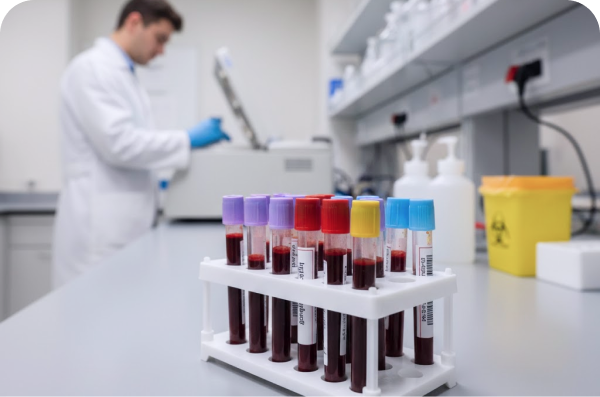


Understanding the Cortisol (morning) test
Cortisol, often dubbed the "stress hormone," is a vital glucocorticoid hormone produced by the adrenal glands, two small glands situated above the kidneys. This hormone plays a critical role in regulating several essential bodily functions, including metabolism, immune response, blood pressure, and, most famously, the body's reaction to stress. The measurement of cortisol levels is an important diagnostic tool used to assess the function of the adrenal glands and the pituitary gland.
The Cortisol (Morning) Test is specifically designed to measure the concentration of cortisol in your blood, urine, or saliva at the time when levels are naturally at their highest. Cortisol secretion follows a distinct diurnal rhythm, peaking in the early morning (typically between 6 a.m. and 8 a.m.) and then gradually decreasing throughout the day, reaching its lowest point around midnight. This specific morning timing is crucial because it provides a baseline measurement when the hormone is expected to be at its maximum concentration, making it ideal for diagnosing conditions related to cortisol deficiency.
Why is the Cortisol (Morning) Test Performed?
A healthcare provider may order a Cortisol test to help diagnose medical conditions that result from the body producing either too much or too little cortisol. The morning test is particularly important if the doctor suspects low cortisol levels.
Conditions Diagnosed or Monitored:
Addison's Disease: This condition occurs when the adrenal glands are damaged or underactive, leading to insufficient production of cortisol (and often aldosterone). Symptoms can include long-lasting fatigue, muscle weakness, weight loss, and low blood pressure. Since cortisol levels are expected to be high in the morning, a low morning reading is a strong indicator of this condition or other forms of adrenal insufficiency.
Secondary Adrenal Insufficiency: This condition also results in low cortisol levels but is caused by a problem with the pituitary gland, which fails to produce enough Adrenocorticotropic Hormone (ACTH)—the hormone that signals the adrenal glands to produce cortisol.
Cushing Syndrome (Though often tested later in the day, initial morning levels may also be analyzed): This disorder is characterized by prolonged exposure to high levels of cortisol. While tests performed late at night are often more definitive for Cushing syndrome, the morning test may also be part of a comprehensive evaluation.
Common Symptoms that Warrant Testing:
If you are experiencing symptoms suggestive of a cortisol imbalance, your doctor may recommend this test.
Symptoms of Low Cortisol (Adrenal Insufficiency): Chronic fatigue, muscle weakness, loss of appetite, unexplained weight loss, and darkened skin patches.
Symptoms of High Cortisol (Cushing Syndrome): Rapid weight gain, a round face ("moon face"), thin arms and legs, and high blood pressure.
The Testing Procedure
Cortisol levels can be measured using blood, urine, or saliva samples. The specific type of test and collection method will be determined by your healthcare provider.
1. Blood Test (Serum Cortisol):
This is the most common method for the morning test. A healthcare professional (phlebotomist) will draw a blood sample from a vein in your arm, typically in the inner part of your elbow. Since the timing is critical, this test must be performed in the early morning, usually between 6 a.m. and 8 a.m., when cortisol levels are expected to be highest.
2. Saliva Test (Late-Night or Morning):
While often used for late-night measurements to check for Cushing syndrome, a saliva sample can also be used for morning measurements. This is often a take-home kit, where you collect a sample by spitting into a tube or using a swab. You must follow the precise timing instructions provided by your doctor.
3. Urine Test (24-Hour or Single Sample):
While a 24-hour urine collection is used to measure "free" cortisol over a full day, some protocols involve collecting a single urine sample in the morning. For the 24-hour test, you collect all urine over a full day and night in a special container provided by your provider.
Preparation for the Test:
Proper preparation is essential because cortisol levels are highly sensitive to external factors:
Stress and Physical Activity: Both can temporarily elevate cortisol levels. You may be asked to rest before the blood draw.
Medications: Certain medications, especially steroid medicines (corticosteroids) and some oral contraceptives, can affect results. You must inform your doctor about all medications, vitamins, and supplements you are taking, as you may need to temporarily stop them.
Timing: Strict adherence to the morning collection time (6 a.m. to 8 a.m.) is mandatory to ensure accurate peak measurement.
Interpreting Cortisol (Morning) Test Results
Results are typically reported in micrograms per deciliter (mcg/dL) for blood tests. Normal ranges are specific to the time of day the sample was collected.
Normal Ranges for Blood Cortisol (Approximate):
6 a.m. to 8 a.m.(Morning Peak): 10 to 20 {mcg/dL}
High Cortisol Levels (Above Normal Range):
High morning levels may indicate Cushing syndrome. Potential causes include:
A tumor in the pituitary gland or adrenal gland that is producing excessive ACTH or cortisol.
Long-term use of high doses of corticosteroid medications.
Severe stress, depression, or physical illness can also transiently raise cortisol.
Low Cortisol Levels (Below Normal Range):
Low morning levels are the primary indicator of adrenal insufficiency (such as Addison's disease or secondary adrenal insufficiency). Potential causes include:
Damage to the adrenal glands (e.g., from autoimmune disease).
An underactive pituitary gland that is not stimulating cortisol production.
It is important to remember that abnormal results do not automatically confirm a diagnosis. Many factors can influence cortisol levels, including stress, pregnancy, and certain medications. If your initial results are outside the normal range, your doctor will likely order additional, specialized tests to confirm the diagnosis, such as an ACTH stimulation test or a Dexamethasone suppression test, which measure the body’s specific response to hormonal signals.
The Cortisol (Morning) Test is a foundational diagnostic tool that provides crucial information about your body’s endocrine function, helping your healthcare provider accurately assess your adrenal health and guide appropriate treatment.