Made with Levo




Know More About This Test
An Electrocardiogram (ECG) is a simple, non-invasive diagnostic test that records the electrical activity of the heart. Every heartbeat is triggered by an electrical impulse, and the ECG captures these impulses as wave patterns. These patterns help doctors assess heart rhythm, rate, and the presence of structural or functional abnormalities.
ECG is one of the most commonly used cardiac tests because it provides rapid information about heart health. It is especially valuable in detecting arrhythmias, heart attacks, conduction defects, and effects of electrolyte imbalance or medications on the heart.
Why Is This Test Recommended?
You may be advised this test to:
Evaluate chest pain or discomfort
Investigate heart palpitations or irregular heartbeat
Assess dizziness, fainting, or syncope episodes
Monitor shortness of breath or unexplained fatigue
Pre-surgical cardiac assessment
Routine health checkups and preventive screening
Monitor patients with diabetes or hypertension
Follow-up for known heart disease
Understanding ECG Testing
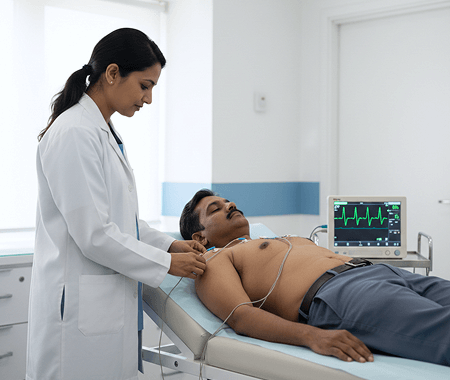
The heart's electrical system controls the timing and coordination of each heartbeat. The ECG records this electrical activity through electrodes placed on the skin, creating a visual representation of how electrical signals move through the heart. Each wave on the ECG corresponds to a specific phase of the cardiac cycle, allowing doctors to identify rhythm disturbances, conduction delays, signs of inadequate blood flow, or structural changes in the heart muscle.
Symptoms or Conditions That May Require This Test
Chest pain, pressure, or tightness
Irregular or rapid heartbeat (palpitations)
Dizziness or lightheadedness
Fainting or near-fainting episodes
Unexplained fatigue or weakness
Shortness of breath
History of heart disease or heart attack
High blood pressure
Diabetes
High cholesterol
Why Do I Need This Test?
ECG provides crucial baseline information about your heart's electrical function and can detect life-threatening conditions like acute heart attacks or dangerous arrhythmias. Early detection enables prompt treatment and can be lifesaving.
How Do I Prepare for the Test?
No fasting is required
Wear comfortable, loose-fitting clothing
Avoid applying lotions or oils on your chest before the test
Inform your doctor about all medications you're taking
Remove jewelry or metal objects from the chest area
Try to relax and remain calm
How Is the Test Performed?
Small adhesive electrodes are placed on your chest, arms, and legs. These electrodes are connected to the ECG machine, which records your heart's electrical activity while you lie still and breathe normally. The entire procedure takes only 5-10 minutes and is completely painless.
What Happens After the Test?
Your doctor will review the ECG tracing and discuss the findings with you. Depending on the results, additional tests such as stress ECG, echocardiogram, or Holter monitoring may be recommended for further evaluation.
When Should I Consult a Doctor?
Immediately if you experience severe chest pain, difficulty breathing, prolonged palpitations, or fainting spells. Also consult if your ECG results show abnormalities requiring further investigation or treatment.
Risks Associated With This Test
None. ECG is completely safe, non-invasive, and painless with no associated risks or side effects.
Lifestyle Tips
Maintain a heart-healthy diet low in saturated fats and sodium
Exercise regularly as recommended by your doctor
Maintain healthy weight
Avoid smoking and limit alcohol consumption
Manage stress through relaxation techniques
Control blood pressure, cholesterol, and blood sugar levels
Get adequate sleep
Take prescribed cardiac medications as directed
What Does This Test Measure?
The ECG measures the electrical impulses that trigger each heartbeat, including heart rate, rhythm, and the strength and timing of electrical signals as they pass through different parts of the heart.
What Do the Results Mean?
Normal ECG: Regular heart rhythm and rate, normal electrical conduction, no signs of structural abnormalities
Abnormal ECG findings may indicate:
Arrhythmias (irregular heartbeat)
Ischemic heart disease or reduced blood flow
Previous or acute heart attack
Heart chamber enlargement
Conduction defects or heart blocks
Electrolyte imbalances
Effects of cardiac medications
Cardiomyopathy (heart muscle disease)
What Should I Do If Results Are Abnormal?
Consult a cardiologist for detailed evaluation and interpretation. Additional diagnostic tests may be needed to confirm the diagnosis and determine appropriate treatment, which may include medications, lifestyle modifications, or procedural interventions.
Factors Affecting Results
Body position and movement during recording
Electrode placement accuracy
Patient anxiety or stress
Medications (especially cardiac drugs)
Electrolyte imbalances
Previous heart surgeries or pacemaker presence
Body mass and chest wall thickness
Breathing pattern
Recent physical activity
FAQs
Is ECG painful?
No, ECG is completely painless and non-invasive; it simply records the heart's natural electrical activity through electrodes placed on the skin without any sensation or discomfort during the procedure.Can ECG detect a heart attack?
Often yes, ECG can detect both acute heart attacks and evidence of previous heart attacks by showing characteristic changes in the electrical patterns; however, some heart attacks may require additional tests like troponin blood tests or imaging for confirmation.Does a normal ECG mean a healthy heart?
Not always; while a normal ECG is reassuring, it represents only a brief snapshot of your heart's electrical activity at rest and may not detect all heart conditions, particularly those that occur intermittently or require stress testing to reveal.Is ECG safe during pregnancy?
Yes, ECG is completely safe during pregnancy as it only records electrical signals without emitting any radiation or causing any harm to mother or baby; it is commonly used to evaluate heart-related symptoms during pregnancy.Is repeat testing common?
Yes, repeat ECG testing is very common and often necessary to monitor changes over time, evaluate treatment effectiveness, compare with baseline readings, or capture intermittent abnormalities that may not appear on a single ECG.