

 Made with Levo




Understanding the FBS + PLBS Test
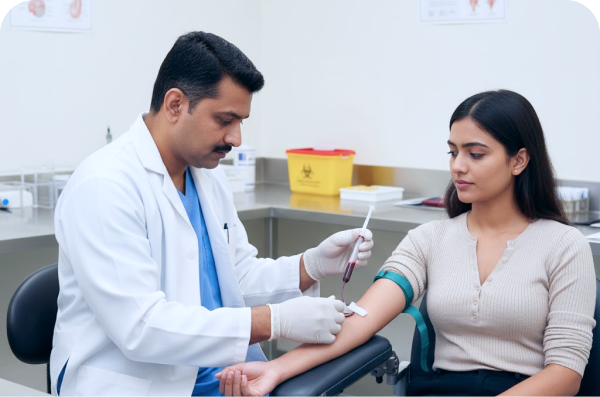
The Glucose (FBS + PLBS) Profile is a comprehensive diagnostic panel that measures the concentration of glucose in the bloodstream at two critical time points. This combination test is essential for evaluating how the body manages blood sugar levels, providing crucial information for the diagnosis, monitoring, and effective management of diabetes mellitus and prediabetes.
The profile consists of two distinct measurements:
FBS (Fasting Blood Sugar): Taken after 8 to 12 hours of not eating. It reflects the body's basal ability to regulate glucose when food intake is absent.
PLBS (Post-Lunch Blood Sugar) or PPBS (Post-Prandial Blood Sugar): Taken precisely two hours after the patient consumes a standard meal. It indicates how effectively the body uses insulin to manage the surge of glucose following digestion.
Why is This Test Performed?
The Glucose FBS + PLBS Profile is primarily ordered for the following reasons:
Diagnosis of Diabetes Mellitus and Prediabetes: Elevated blood sugar levels in either the fasting or post-meal state are strong indicators of impaired glucose tolerance.
Monitoring Diabetes Management: Helps determine if current treatment plans (diet, exercise, and medication) are effectively maintaining blood sugar within the target range.
Screening for High-Risk Individuals: Routinely recommended for individuals with risk factors such as obesity, a family history of diabetes, or high blood pressure.
Preparation for the Test
Accurate results rely heavily on strict adherence to preparation guidelines:
For the FBS (Fasting Blood Sugar) Component:
Fasting: The patient must fast completely for at least 8 hours, and no more than 12 hours, before the first blood sample is drawn.
Medications: Consult your doctor regarding the timing of diabetes medications or insulin doses.
For the PLBS (Post-Lunch Blood Sugar) Component:
Meal Consumption: Immediately after the $\text{FBS}$ sample is collected, the patient will eat a normal, standardized meal.
Timing: The second blood sample must be drawn precisely 2 hours after the start of the meal.
Activity: During the 2-hour interval, the patient should rest and avoid physical activity.
Understanding the Results
Prediabetes: Results in the impaired glucose tolerance range suggest a heightened risk of developing type 2 diabetes, requiring lifestyle interventions.
Diabetes Mellitus: Results consistently in the diabetic range typically confirm a diagnosis, requiring follow-up management by a healthcare professional.
What Factors Can Affect The Results?
Though a reliable test, some circumstances can influence accuracy:
Eating or drinking anything (other than water) before the test
Dehydration or prolonged fasting
Stress or lack of sleep before testing
Certain medications
Sunburn
Coffee intake
Alcohol
Frequently Asked Questions (FAQs)
1. How do I prepare for the test?
Do not eat or drink anything except water for 8-12 hours before the test. It is also important to inform your doctor about any medications you are taking, as some of them can affect blood glucose levels and may need to be adjusted or temporarily discontinued before the test.
3. What are the risks associated with an FBS test?
The risks associated with an FBS test are generally minimal. However, some people may experience mild pain or discomfort at the site from where the blood sample is taken.
4. What are the risk factors for diabetes?
The most common risk factors for diabetes include being obese or overweight with low physical activity, having a family history of diabetes, or having high blood pressure. Other reasons that can cause diabetes include low good cholesterol or high triglyceride levels, polycystic ovarian syndrome, or cardiovascular diseases.
5. Can factors other than hormones and diet affect my blood sugar levels?
Yes, blood sugar levels may increase due to certain medications, during pregnancy, and temporarily due to stress.