

 Made with Levo
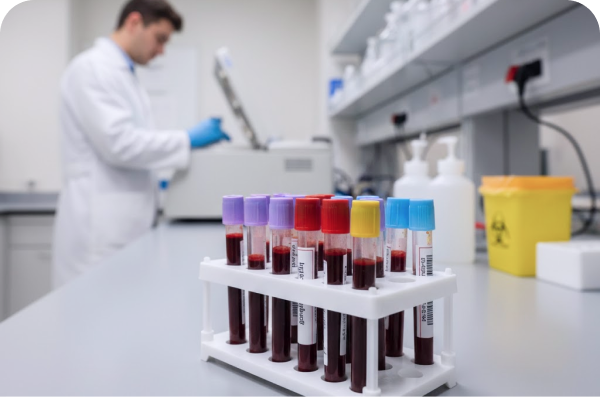


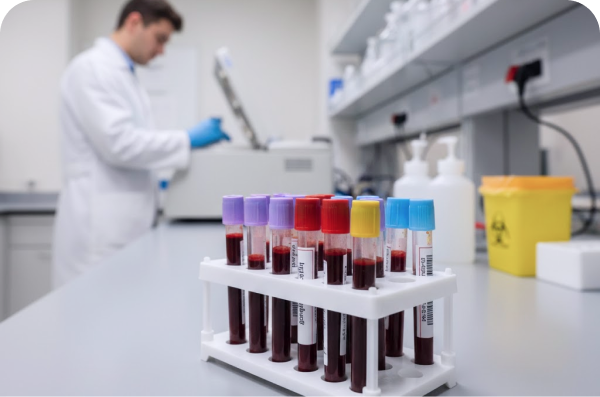


FSH, LH, and Prolactin (PRL) Test – Hormonal Evaluation for Reproductive Health
The FSH, LH, and Prolactin (PRL) test measures the levels of three hormones produced by the pituitary gland. These hormones are essential for normal sexual development and the proper functioning of reproductive organs in both men and women. Doctors use this combined test to investigate fertility issues and to diagnose disorders related to the pituitary gland or reproductive system.
Understanding the Hormones
Follicle-Stimulating Hormone (FSH)
Luteinizing Hormone (LH)
Prolactin (PRL)
FSH and LH are called gonadotropins because they act on the gonads (ovaries in women and testicles in men).
In women:
FSH helps stimulate the growth and maturation of ovarian follicles and plays a key role in regulating the menstrual cycle.
LH triggers ovulation (release of an egg from the ovary) and stimulates the ovaries to produce sex hormones such as estrogen and progesterone.
In men:
FSH is important for the production and health of sperm in the testicles.
LH stimulates the testicles to produce testosterone, the main male sex hormone.
In children:
FSH and LH levels are normally low before puberty.
Their levels increase at puberty and drive the physical changes of sexual maturation.
Prolactin (PRL) is mainly associated with breast milk production after childbirth, but it also influences reproductive function in both sexes.
Purpose of the FSH, LH, and PRL Test
This test evaluates the hypothalamic-pituitary-gonadal axis and is ordered when there are signs of hormonal or reproductive problems.
In women, it is used to:
Investigate infertility and assess ovarian function
Evaluate irregular, stopped, or absent periods
Help diagnose conditions such as polycystic ovary syndrome (PCOS)
Determine if a woman is entering perimenopause or menopause
Find the cause of unexplained breast discharge or hormonal symptoms
Check for diseases that affect the ovaries
In men, it is used to:
Explore the cause of infertility
Evaluate low sperm count or poor sperm quality
Assess testicular function
Investigate suspected problems in the testes or pituitary gland
In both women and men, it may be used to:
Diagnose pituitary or hypothalamic disorders
Evaluate delayed or early puberty in children and adolescents
Detect prolactinomas (non-cancerous pituitary tumors that produce excess prolactin)
Interpreting the Results
Because these hormones are part of a complex feedback system, abnormal levels help pinpoint where the problem may lie.
High levels:
High FSH and LH
Suggest that the ovaries or testicles are not functioning properly.
In women, this may indicate menopause, primary ovarian insufficiency, or failure of ovarian development.
In men, it may suggest primary testicular failure, genetic conditions such as Klinefelter syndrome, or damage to the testicles.
In children, high levels before the usual age of puberty may indicate precocious (early) puberty.
High prolactin
May be seen in PCOS, hypothyroidism, due to certain medications, or because of a prolactinoma.
In men, high prolactin may be associated with low testosterone and symptoms of hypogonadism (reduced sex hormone production).
Low levels:
Low FSH, LH, and/or Prolactin
Often, a problem in the pituitary gland or hypothalamus means the reproductive organs are not being properly stimulated.
Low prolactin after childbirth may lead to reduced breast milk production.
Specific patterns:
A high LH to FSH ratio is commonly associated with polycystic ovary syndrome (PCOS) in women.
When Should You Get Tested?
Your doctor may recommend an FSH, LH, and PRL test if you have:
Difficulty conceiving
Irregular or absent menstrual periods
Symptoms of menopause at an unusually early age
Reduced sex drive, erectile problems, or infertility in men
Signs of pituitary disease, such as headaches, vision changes, or abnormal breast discharge
Results are usually interpreted together with other hormone tests (for example, estrogen, progesterone, or testosterone) and clinical findings. Together, they help provide a clear picture of hormonal health and guide the next steps in treatment or further investigation.
Frequently Asked Questions (FAQs)
1. Is the FSH, LH, and Prolactin test painful or risky?
The test requires a blood sample, which involves a quick needle prick. It’s generally safe, with minimal discomfort or risks.
2. Do I need to fast or prepare before the test?
Usually, no special preparation or fasting is needed. However, your doctor may advise on timing during your menstrual cycle.
3. Can these hormone levels change during the day?
Yes. Hormone levels, especially prolactin, can vary during the day and due to stress. Doctors interpret results considering these factors.
4. How long does it take to get results?
Typically, results are available within a few days, depending on the lab.
5. Can medication affect my test results?
Certain drugs can raise or lower hormone levels. Always inform your doctor about any medicines or supplements you're taking.
6. What happens if my test results are abnormal?
Your doctor will discuss findings and may recommend further tests or treatments based on the cause of the hormonal imbalance.
7. Are hormone levels the same for men, women, and children?
No, normal levels vary by age, sex, and life stage, such as puberty or menopause. Labs report results against these reference ranges.