

 Made with Levo




Understanding HIV, HBsAg and HCV)
HIV causes acquired immunodeficiency syndrome (AIDS). It attacks the immune cells that help the body fight infection, making an infected person more vulnerable to other infections and diseases. Hepatitis B and C are highly contagious liver infections. Hepatitis B is caused by the hepatitis B virus (HBV), and hepatitis C is caused by the hepatitis C virus (HCV). Chronic HBV or HCV infections can lead to liver damage and other complications.
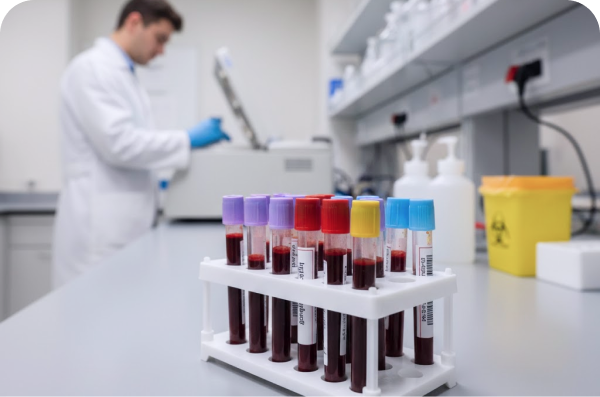
A Viral Marker Screening (HIV, HBsAg, Anti-HCV) test detects the presence of viral markers, including antigens and antibodies, produced by the body in response to hepatitis B, hepatitis C, or HIV infections.
People with HIV are most likely to get infected by chronic hepatitis. This co-infection causes more liver-related health problems. Hence, it is important to identify these risks early. A viral marker screening test can help detect these infections. It also helps in taking preventive steps and seeking medical care if needed.
Your doctor may suggest this test if you have risk factors for HIV, HBV, or HCV infections. Risk factors may include:
A weakened immunity
Unsafe sexual practices
Intravenous drug use
Occupational exposure to blood
Potential exposure through medical procedures.
Additionally, this test is also done in pregnant women as a part of prenatal care. This is because infections like HIV, Hepatitis B, and Hepatitis C can be passed from the mother to the baby during pregnancy, childbirth, or breastfeeding.
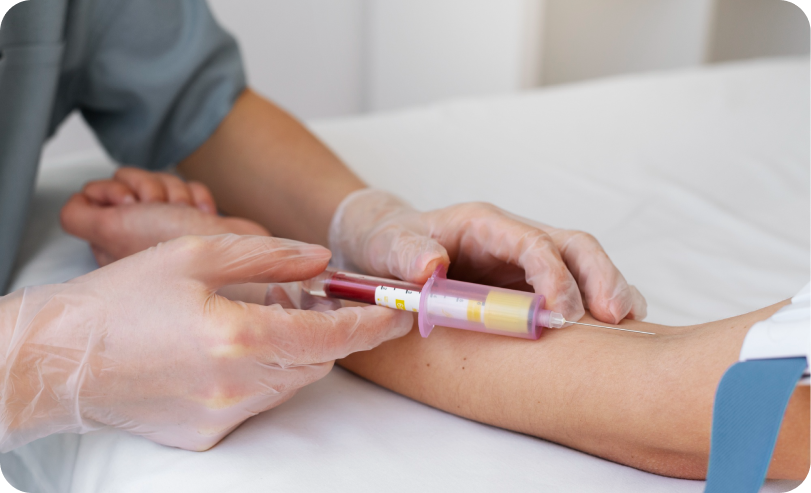
Fasting is not needed for viral marker screening tests. You can eat and drink as per your daily routine. Let your doctor know about all the medications you are taking, as some of them can affect the test results. Also, a duly filled consent form is mandatory for sample collection.
Test results depend upon various factors such as clinical history, time of sample collection, etc. Discuss your specific test results with your doctor. Based on your test results, doctors may suggest some lifestyle adjustments, prescribe medications to manage your condition, and develop a holistic treatment plan.
What does Viral Marker Screening (HIV, HBsAg, HCV) measure?
Contains 3 tests
The Viral Marker Test (HIV, HBsAg, Anti-HCV) is a blood test that helps detect serious viral infections such as HIV, Hepatitis B, and Hepatitis C. It measures specific markers in the blood that appear when a person is infected with these viruses.
HIV antigen and antibody tests look for the virus that attacks the immune system.
HBsAg (Hepatitis B surface antigen) test checks for Hepatitis B infection.
HCV test detects antibodies against the Hepatitis C virus, showing if a person has been exposed to it.
This test helps in the early detection of infections, even when symptoms are not present. It is especially useful before surgeries, blood transfusions, during pregnancy, and in high-risk individuals. Early diagnosis helps in preventing the spread of infections and allows for timely medical care.