Made with Levo




Know More About This Test
The Serum Insulin test measures the amount of insulin present in the blood. Insulin is a hormone produced by the pancreas that regulates blood glucose levels by facilitating glucose uptake into cells.
Abnormal insulin levels may indicate insulin resistance, metabolic syndrome, or disorders of pancreatic function.
Why Is This Test Recommended?
Your healthcare provider may recommend a random insulin test to investigate the following clinical concerns:
Investigating Hypoglycemia: If you experience frequent episodes of low blood sugar, this test helps determine if your pancreas is pumping out excessive insulin at inappropriate times.
Diagnosing Insulinoma: To screen for rare, usually non-cancerous tumors in the pancreas that produce uncontrolled amounts of insulin.
Assessing Insulin Resistance: Helping to identify if your body’s cells are ignoring insulin, which forces the pancreas to work overtime—a common precursor to Type 2 Diabetes and Metabolic Syndrome.
Evaluating Polycystic Ovary Syndrome (PCOS): Women with PCOS often have elevated insulin levels that contribute to hormonal imbalances and weight gain.
Monitoring Diabetes Treatment: Checking if a patient is producing their own insulin (endogenous) versus the insulin they are injecting (exogenous).
Post-Prandial Response: Sometimes taken after a meal to see how the pancreas handles a "glucose load."
Symptoms or Conditions That May Require a Random Insulin Test
You may be advised to undergo this test if you experience symptoms that suggest an imbalance in blood sugar regulation:
Signs of Low Blood Sugar (Hypoglycemia): Sudden dizziness, shaking, sweating, blurred vision, extreme hunger, or heart palpitations.
Difficulty Losing Weight: Especially stubborn abdominal fat, which is often linked to chronically high insulin levels.
Acanthosis Nigricans: Dark, thickened, velvety patches of skin, typically found in the folds of the neck or armpits (a classic sign of insulin resistance).
Frequent Fatigue: Feeling exhausted even after a full night’s sleep or experiencing a "crash" shortly after eating.
Irregular Menstrual Cycles: In women, this can be part of an evaluation for PCOS-related insulin issues.
Advantages of Insulin Random Screening
Detects Hidden Metabolic Stress: Identifies hyperinsulinemia (excess insulin) even when blood sugar appears normal.
Dynamic Insight: Provides a real-world look at how your body handles its current energy demands.
Aids Differential Diagnosis: Helps distinguish between different types of diabetes and rare pancreatic disorders.
Informed Nutritional Planning: Helps a nutritionist or doctor decide if you would benefit more from a low-glycemic diet.
How Is the Test Performed and Prepared For?
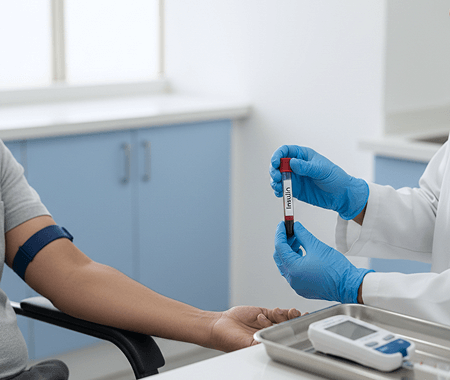
A fasting blood sample is typically required. Medication history should be shared.
What Does the Insulin Random Test Measure?
The test measures the concentration of insulin in microunits per milliliter (µU/mL).
Pancreatic Output: It reflects how much insulin the "Beta cells" in your pancreas are secreting.
Clearance Rate: It also reflects how quickly your liver and kidneys are clearing insulin from your system.
What Do the Results Mean?
Because this is a random test, interpretation depends heavily on when you last ate:
High Levels (Hyperinsulinemia): If levels are very high several hours after a meal, it may indicate insulin resistance, PCOS, or an insulin-secreting tumor (insulinoma).
Low Levels: If blood sugar is high but insulin is low, it may suggest that the pancreas is failing to produce enough insulin (Type 1 Diabetes or late-stage Type 2).
Proportionality: The most important factor is the ratio. High insulin with low blood sugar is concerning, just as low insulin with high blood sugar is concerning.
Lifestyle Tips to Help Maintain Healthy Insulin Levels
Choose Low-Glycemic Carbohydrates: Focus on whole grains, legumes, and non-starchy vegetables that digest slowly and prevent sharp insulin spikes.
Prioritize Fiber: High-fiber intake slows down sugar absorption, giving your pancreas a much-needed break.
Regular Physical Activity: Exercise makes your cells more "insulin sensitive," meaning they need less insulin to get the job done. Both cardio and strength training are effective.
Manage Stress: Stress hormones like cortisol trigger the release of stored sugar, which in turn forces insulin levels to rise.
Prioritize Sleep: Even one night of poor sleep can temporarily increase insulin resistance the following day.
Apple Cider Vinegar: Some studies suggest that consuming a tablespoon of diluted apple cider vinegar before a high-carb meal may help improve the insulin response.
Frequently Asked Questions (FAQs)
Is this test for diabetes diagnosis?
Supportive; while not the primary diagnostic test for diabetes, serum insulin helps assess insulin resistance and pancreatic function alongside glucose tests.Does fasting matter?
Yes, fasting for 8-12 hours is essential as food intake significantly affects insulin levels and can lead to inaccurate results.Can stress affect insulin?
Yes, stress can temporarily elevate insulin levels through hormonal responses, so testing should ideally be done when calm and relaxed.Is it linked to PCOS?
Strongly; many women with PCOS have insulin resistance and elevated insulin levels, making this test valuable for diagnosis and management.Can insulin resistance be reversed?
Often; lifestyle changes including weight loss, regular exercise, and dietary modifications can significantly improve or reverse insulin resistance in many cases.