Made with Levo




Understanding Mammography
Mammography, often referred to simply as a mammogram, is a highly effective, non-invasive imaging test that plays a critical role in breast health management. It uses low-dose X-ray technology to create detailed pictures of the breast tissue. This procedure is primarily employed as a screening tool for breast cancer, but it is also used diagnostically to investigate symptoms or concerning findings. For most women, an annual or biennial mammogram is a cornerstone of preventative health care, allowing for the earliest possible detection of abnormalities, which significantly improves treatment outcomes.
What is a Mammogram?
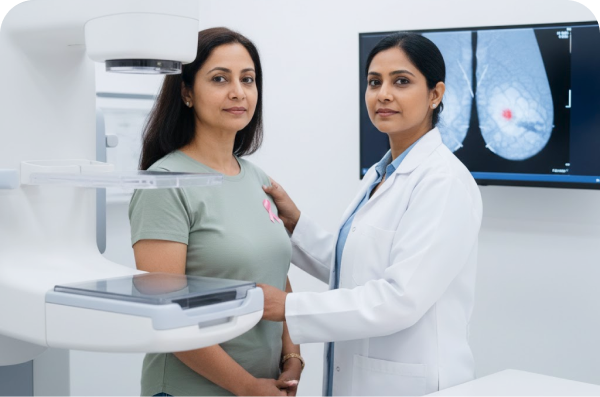
A mammogram is essentially an X-ray picture of the breasts. The machine captures black-and-white images of the internal structure of the breast. During the procedure, the breast is compressed between two firm surfaces. While this compression might cause brief discomfort, it is essential for several reasons: it spreads out the breast tissue, allowing for a clearer, more uniform image; it reduces the necessary X-ray dose; and it holds the breast still to prevent blurring caused by movement. The entire imaging process is quick, typically taking only a few minutes.
There are generally two types of mammograms:
Screening Mammogram: This is performed on asymptomatic women, meaning they are not experiencing any breast symptoms or problems. The goal of a screening mammogram is to find cancer before it causes noticeable symptoms, when it is typically small and easiest to treat. Screening mammograms are often recommended annually or every one to two years, usually starting at age 40, though recommendations can vary based on individual risk factors. You usually do not need a doctor's order for a screening mammogram and can often schedule it directly.
Diagnostic Mammogram: This type of mammogram is performed when a woman has breast symptoms (such as a lump, pain, skin changes, or nipple discharge) or when a screening mammogram reveals an area of concern. A diagnostic mammogram is more detailed, often involving more images or special views, to pinpoint the exact location and characteristics of an abnormality.
Why is Mammography Recommended?
The primary purpose of mammography is the early detection of breast cancer. Early detection is crucial because it significantly increases the survival rate and allows for less aggressive treatment options. By identifying small masses or microcalcifications (tiny calcium deposits that can sometimes indicate cancer) that are too small to be felt during a physical exam, mammography provides a vital head start in treatment.
Recommended Screening Guidelines:
For most women, regular screening should begin at age 40. However, specific schedules should be discussed with a healthcare provider, especially for those with elevated risk factors, such as a strong family history of breast cancer. In such cases, testing may be recommended earlier or at more frequent intervals.
Preparing for Your Mammogram
Proper preparation ensures the highest quality images and a smooth procedure. Here are key steps to prepare for your mammogram appointment:
Avoid certain products: On the day of the exam, do not wear deodorant, antiperspirants, powders, creams, or ointments under your arms or on your breasts. These substances can appear as calcium spots on the X-ray image, potentially mimicking or obscuring abnormalities, leading to misdiagnosis or the need for follow-up testing.
Wear appropriate attire: It is recommended to wear a two-piece outfit (a skirt or pants with a top), so you only need to remove your top and bra for the examination.
Inform your provider: If you have developed any new breast problems or symptoms since your last check-up, notify your doctor or the technician before your appointment. Depending on the symptoms, you may require a diagnostic mammogram or another supplementary test.
Bring prior images: If you are visiting a new facility, try to bring copies of your previous mammograms. Comparing current images with past ones is essential for identifying changes in your breast tissue over time.
The Procedure: What to Expect
Upon arrival, you will be asked to remove your clothing from the waist up and put on a gown. A registered technologist will perform the procedure. You will stand in front of the X-ray machine, and your breast will be placed on a platform. The machine's clear plastic plate will then firmly press the breast down for a few seconds. Typically, two views (images taken from different angles) of each breast are captured.
While the compression can be uncomfortable, it is brief. If you experience significant pain, inform the technician immediately. Some women prefer to schedule their mammograms during the week following their menstrual period, as breasts are less tender during this time.
Understanding the Results
The mammogram images are analyzed by a radiologist, who looks for subtle signs of cancer, such as masses, distortions, or microcalcifications. The results will typically be communicated to you and your primary healthcare provider within a few days to two weeks.
Normal (Negative) Results: This means no signs of cancer were found. You will be advised to return for your next routine screening.
Abnormal Results: This does not automatically mean you have cancer. Many abnormalities turn out to be benign. If an abnormal finding is noted, you may be called back for additional testing, which could include magnified mammography views, an ultrasound, or a biopsy.
Costs and Risks
The cost of a mammogram can vary widely depending on insurance coverage, the type of mammogram screening vs. diagnostic, and the location where the procedure is performed. Screening mammograms are often covered by insurance plans under preventative care mandates, but diagnostic mammograms may require meeting a deductible or copayment. It is advisable to check with your insurance provider beforehand.
Risks Associated with Mammography:
Mammography is generally safe, but there are minimal risks to be aware of:
Ionizing Radiation: Mammograms expose the patient to a small dose of ionizing radiation. This dose is very low, comparable to a few months of natural background radiation, and the benefits of early detection far outweigh this minimal risk.
False Results: False-negative results (the test misses a cancer) can occur, especially in women with dense breast tissue. False-positive results (the test suggests cancer when none is present) can lead to anxiety and unnecessary follow-up tests, but these are part of the screening process designed to maximize detection.
At what age do you get a mammogram?
The U.S. Preventive Services Task Force recommends that all females receive mammograms every two years beginning at age 40 until they reach age 75. Other medical groups have different recommendations. Talk with your healthcare provider about what recommendation is right for you.
If you have a higher risk of developing breast cancer, you may need to have screening mammograms before age 40, or more frequently. Your provider may also recommend supplemental screening with other tests, such as a whole breast ultrasound or breast MRI (magnetic resonance imaging).
Your healthcare provider can perform a breast cancer risk assessment to determine if you're at a higher risk. If you have any of the following risk factors, talk to your provider about when you should start getting annual screening mammograms:
Personal history of breast cancer.
Family history of breast or ovarian cancer.
Inherited genetic mutations, such as BRCA1 and BRCA2.
Certain