Made with Levo
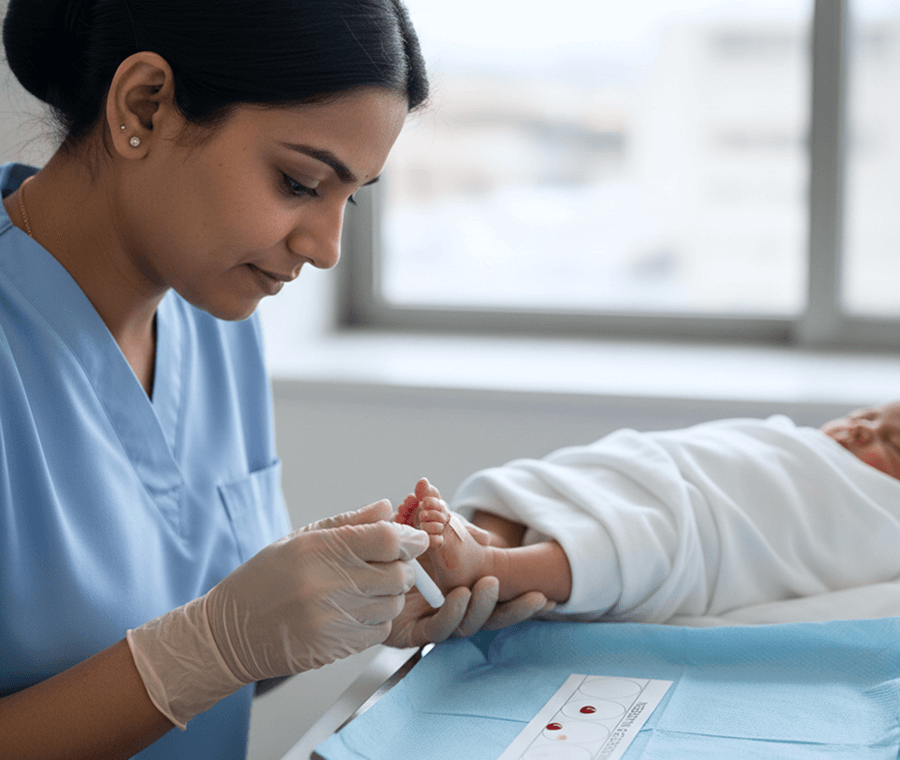


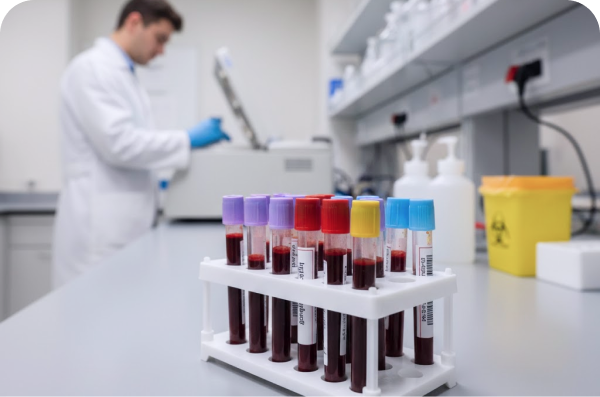


Newborn screening tests heel-prick blood spots for 50+ treatable disorders like hypothyroidism (TSH), PKU, G6PD, CAH (17-OHP), fatty acid oxidation via tandem MS/MS. Early detection (24-72 hrs) prevents retardation, death. Expanded panels like Neoxpert 48 analytes comprehensive.
Routine for all Indian newborns; mandatory many states.
Why Is This Test Recommended?
You may need this test to:
Detect congenital hypothyroidism (1:2000) early thyroxine
Screen metabolic like PKU diet prevents IQ loss
G6PD deficiency prevent hemolytic crisis
Cystic fibrosis, biotinidase nationwide push
Organic acidurias tandem MS sensitive
Symptoms or Conditions That May Require Newborn Screening
This test is intended to be performed before symptoms appear. However, it is an absolute priority if the newborn shows:
Poor Feeding: Difficulty sucking or a total lack of appetite.
Excessive Lethargy: A baby that is unusually difficult to wake up or seems abnormally "floppy."
Unexplained Vomiting: Frequent, forceful spitting up that is not typical "spit-up."
Seizures or Tremors: Unusual twitching or jerky movements shortly after birth.
Abnormal Body Odor: Some metabolic disorders cause the baby’s sweat or urine to smell like maple syrup, sweaty feet, or musty hay.
Prolonged Jaundice: Yellowing of the skin or eyes that does not resolve with standard light therapy.
Advantages of the 50-Parameter Screening
Ultra-Comprehensive: Covers a vast spectrum including Amino Acid Disorders, Fatty Acid Oxidation Disorders, and Organic Acidemias.
Single Sample, 50 Answers: Only a few drops of blood are required to screen for all 50 conditions simultaneously.
Life-Saving Interventions: Most conditions identified can be managed effectively with specific nutritional adjustments.
Economic Value: The cost of early screening is a fraction of the cost of managing a late-diagnosed chronic disability.
How Do I Prepare for the Test?
Timing is Critical: The test should ideally be performed between 48 and 72 hours after birth. This ensures the baby has ingested enough milk (protein/sugar) to trigger the metabolic processes that the test measures.
Feeding Record: Inform the healthcare provider if the baby is on breast milk, formula, or total parenteral nutrition (TPN), as this helps in interpreting the metabolic markers.
Antibiotics/Transfusions: Let the technician know if the baby has received a blood transfusion or is on antibiotics, as these can occasionally interfere with specific parameters.
How Is the Test Performed?
The procedure is gentle and follows the "Heel Stick" method:
The baby’s heel is warmed to increase blood flow.
A tiny, shallow prick is made on the outer edge of the heel using a sterile lancet.
A few drops of blood are collected and soaked onto a special absorbent filter paper (Guthrie Card).
The card is dried and sent to a specialized laboratory for high-throughput analysis.
Results: Detailed reports are usually ready within 7 to 10 days.
Lifestyle Tips to Support a Healthy Newborn
While the screening checks for genetic factors, these habits support overall infant health:
Follow Feeding Schedules: Ensure the baby is feeding every 2–3 hours in the early days to prevent low blood sugar (hypoglycemia).
Monitor Waste: Keep track of the number of wet and dirty diapers; this is a direct indicator of how well the baby is processing nutrients.
Hygienic Environment: Limit the baby’s exposure to large crowds in the first month to protect their developing immune system.
Wait for the Report: Before introducing any non-standard supplements or changing formulas drastically, always wait for the screening results and consult your pediatrician.
What Does the 50-Parameter Test Measure?
The extended panel is divided into several sophisticated categories:
Amino Acid Disorders: Including Phenylketonuria (PKU), Maple Syrup Urine Disease (MSUD), and Homocystinuria.
Organic Acidemias: Such as Propionic Acidemia and Methylmalonic Acidemia.
Fatty Acid Oxidation Disorders: Including MCAD and LCAD, which affect how the body uses fat for energy.
Endocrine Disorders: Congenital Hypothyroidism and Congenital Adrenal Hyperplasia.
Hemoglobinopathies: Screening for Sickle Cell Disease and Thalassemia.
Others: Biotinidase Deficiency, Galactosemia, and Cystic Fibrosis.
What Do the Results Mean?
Screen Negative (Normal): This means that at the time of testing, none of the 50 disorders were detected. This is highly reassuring but does not rule out every single possible genetic condition.
Screen Positive (Abnormal): This is not a final diagnosis. It means the baby has shown a "marker" for a specific condition.
Follow-up Required: If a result is positive, the lab or doctor will urgently request "Confirmatory Testing"usually a more detailed blood or urine test—to see if the condition truly exists.
Frequently Asked Questions ( FAQs )
1. Does a positive screen mean the baby is sick?
No. Many positive screens are "false positives" that return to normal on the second test. However, every positive result must be taken seriously and followed up immediately.
2. Is this test mandatory?
While not always legally mandated in every region, it is considered a global standard of care and is strongly urged by pediatric associations worldwide.
3. If the first 5-parameter test was normal, why do the 50-parameter test?
The 5-parameter test only looks at the most common issues. The 50-parameter test looks for "rarer" conditions that are just as dangerous if missed.
4. Can a baby be tested if they are already a week old?
Yes, though the "golden window" is the first 72 hours. Testing can still be done later, but some metabolic crises can happen very early, so speed is important.
5. How will I receive the results?
Results are typically sent directly to your pediatrician or the hospital where the baby was born. You should always ask for a copy for your child’s permanent medical records.