Made with Levo




Know More About This Test
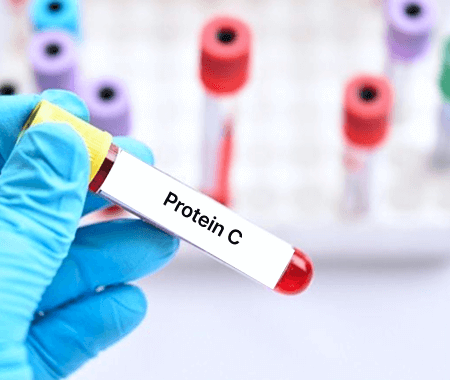
Protein C is a natural anticoagulant protein produced by the liver that helps regulate blood clot formation. A Protein C test measures its level or activity in blood to evaluate the body’s ability to prevent excessive clotting.
Deficiency of Protein C increases the risk of abnormal blood clots, particularly deep vein thrombosis and pulmonary embolism.
Why Is This Test Recommended?
You may need this test to:
Diagnose Protein C deficiency as a significant inherited risk factor for venous thromboembolism.
Differentiate between Type I and Type II Protein C deficiency to guide the most appropriate clinical management and genetic counselling
Screen close family members of patients with confirmed hereditary Protein C deficiency who may be at risk
Evaluate acquired deficiency to assess the extent of protein loss in patients with conditions like severe liver failure, nephrotic syndrome, or acute DIC.
Assess clotting risk before initiating long-term anticoagulation therapy or hormone-based treatments in individuals with a personal or family history of thrombosis
Symptoms or Conditions That May Require a Protein C Antigen Test
You may need this test if you have:
A history of DVT or PE before the age of 50, or recurrent clotting episodes without a clear provoking cause.
Thrombosis occurring in unusual anatomical locations such as the hepatic, portal, mesenteric, or cerebral veins
A strong family history of venous thromboembolism, particularly among first-degree relatives diagnosed at a young age
Recurrent miscarriages, stillbirths, or severe pregnancy complications such as preeclampsia or placental abruption
Newborns or neonates presenting with purpura fulminans - a severe manifestation of homozygous Protein C deficiency - requiring urgent investigation
How Is the Test Performed and Prepared For?
A blood sample is drawn. Testing should not be done during acute clotting events or while on anticoagulants unless advised.
What Do the Results Indicate?
General reference ranges for Protein C Antigen:
Normal: Approximately 70–140% of normal reference activity in adults; values are age-dependent and tend to be lower in neonates and young children
Low / Deficient (below 70%): Suggests Protein C deficiency; further functional activity testing is required to classify as Type I or Type II
Borderline (low-normal): Values in the lower normal range in a clinically suspicious context - such as a young patient with unexplained DVT or a strong family history - warrant repeat testing and specialist evaluation
Type I Deficiency: Both Protein C antigen and activity are proportionally reduced - a quantitative deficiency indicating reduced protein synthesis or increased degradation
Type II Deficiency: Protein C antigen is normal but functional activity is reduced - indicating a qualitative defect where a dysfunctional protein is produced in normal amounts
Lifestyle Tips to Reduce Clotting Risk With Protein C Deficiency
Ensure consistent and adequate intake of vitamin K through a balanced diet, as vitamin K is essential for the liver's synthesis of Protein C.
Avoid prolonged immobility during long journeys - take regular walking breaks and perform leg exercises to maintain healthy venous circulation.
Inform all healthcare providers - including surgeons, gynaecologists, and dentists - of your Protein C deficiency before any procedure, hospitalization, or pregnancy.
Maintain a healthy body weight and stay physically active.
Avoid or discontinue smoking, as it damages blood vessel walls and increases the hypercoagulable state that Protein C deficiency creates.
Genetic counselling should be offered to at-risk patients with a history of thrombophilia or a family history of the disease.
Frequently Asked Questions (FAQs)
Is this a genetic condition?
Often, yes - Protein C deficiency is frequently an inherited genetic condition passed in an autosomal dominant pattern, meaning carriers have a 50% chance of passing it to their children, and family screening is typically advised to identify at-risk relatives.Can liver disease affect levels?
Yes, liver disease can significantly affect Protein C levels by impairing its production in the liver, leading to falsely low results that mimic hereditary deficiency, so additional liver function tests are often needed for accurate diagnosis.Is lifelong treatment needed?
It depends on the individual's risk profile and clotting history mild deficiencies may only require short-term anticoagulants during high-risk situations like surgery, while severe cases often necessitate lifelong preventive therapy to avoid recurrent thrombosis.Can pregnancy affect results?
Yes, pregnancy can lower Protein C levels due to physiological changes that promote clotting for delivery, increasing thrombosis risk and requiring careful monitoring or adjusted testing timing for pregnant individuals.Is it part of DVT evaluation?
Yes, Protein C testing is a standard component of deep vein thrombosis (DVT) evaluation, especially for unprovoked or recurrent cases in younger patients, to uncover underlying thrombophilias that guide long-term management.