Made with Levo



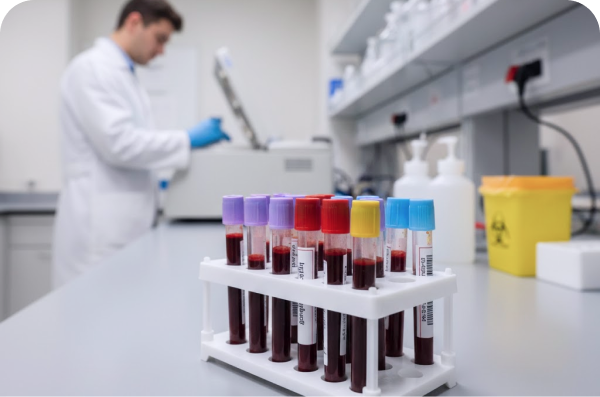


Know More About This Test
The Serum Proteins test measures total protein, albumin, and globulin levels in the blood. These proteins are essential for maintaining fluid balance, transporting substances, and supporting immunity. Imbalances may indicate liver disease, kidney disorders, malnutrition, or chronic inflammation. Doctors rely on this test to assess overall health and nutritional status.
Why Is This Test Recommended?
You may need this test to:
Conduct a routine health check-up to determine the nutritional status of an individual and assess overall protein balance in the body
Investigate signs and symptoms of liver disease or kidney disease, where protein production or protein retention is commonly disrupted
Monitor chronic conditions such as liver disease, kidney disease, or malnutrition, tracking progression or response to treatment over time
Evaluate the immune system by detecting abnormal globulin levels associated with autoimmune diseases or infections
Screen for protein metabolism disorders including multiple myeloma and other plasma cell conditions that cause abnormal protein overproduction
Investigate unexplained weight loss or fatigue, both of which can be early manifestations of a protein imbalance caused by underlying systemic disease
Symptoms or Conditions That May Require a Protein Total, Serum Test
You may need this test if you experience:
Fatigue, weakness, edema, belly pain, belly swelling, dark and pale urine, frequent urination, muscle cramps, and the yellowing of the skin and eyes
Unexplained weight loss or persistent loss of appetite that may indicate protein malnutrition or malabsorption
Swelling in the legs, feet, or around the eyes (oedema), which can result from low albumin levels reducing the ability of blood vessels to retain fluid
Slow wound healing or increased susceptibility to infections, which may indicate inadequate protein availability for immune and tissue repair functions
Known or suspected chronic liver disease such as hepatitis or cirrhosis, or kidney conditions such as nephrotic syndrome
Higher risk of developing liver or kidney disease - including individuals with a history of alcohol use, diabetes, hypertension, or a family history of these conditions - where early detection of protein abnormalities is clinically important
Advantages of the Protein Total, Serum Test
The Protein Total, Serum test is fast, affordable, and requires only a simple blood draw - yet it delivers clinically meaningful insight into the function of two of the body's most vital organ systems simultaneously.
The test provides essential insights into the body's protein balance and overall health, with key advantages including early detection of abnormalities indicating underlying health issues, monitoring of chronic conditions, and guiding treatment plans by providing valuable data for tailoring medical or dietary interventions.
How Is the Test Performed and Prepared For?
A blood sample is collected through standard venipuncture for laboratory analysis. No fasting is required for this test.
What Do the Results Indicate?
The normal range for total protein is typically between 6.0 and 8.3 grams per decilitre (g/dL), although normal values may vary slightly among different laboratories.
Normal (6.0–8.3 g/dL): Indicates that protein production, distribution, and retention are functioning within a healthy range; no specific protein disorder is suggested
Low Total Protein (below 6.0 g/dL - Hypoproteinaemia): Causes include malnutrition, liver disease, kidney disease, or gastrointestinal disorders -conditions that reduce protein synthesis, increase protein loss, or impair protein absorption
High Total Protein (above 8.3 g/dL - Hyperproteinaemia): High total protein levels can indicate dehydration, chronic inflammation, infections like HIV or viral hepatitis, certain cancers like multiple myeloma, or pregnancy - most commonly caused by elevated globulin fractions rather than albumin
Children: Slightly lower ranges may apply based on age and development - paediatric results must always be interpreted using age-appropriate reference intervals
Lifestyle Tips to Maintain Healthy Protein Levels
Consume a balanced, protein-rich diet that includes a variety of high-quality protein sources such as lean meats, fish, eggs, dairy, legumes, and nuts..
A healthy nutritious diet is important to maintain optimal protein levels - avoid highly processed foods and crash diets.
Manage underlying conditions such as diabetes, hypertension, and liver or kidney disease actively and consistently.
Avoid alcohol consumption, as chronic alcohol use is one of the leading causes of liver damage.
Stay adequately hydrated, as dehydration can falsely concentrate serum proteins and produce misleadingly elevated total protein readings.
Attend all recommended follow-up investigations and specialist appointments if protein levels are found to be abnormal, as early intervention consistently produces the best long-term health outcomes.
Frequently Asked Questions (FAQs)
Is fasting needed?
No; serum proteins testing does not require fasting preparation.Can low protein cause swelling?
Yes; low albumin reduces fluid retention in blood vessels, causing edema.Is it part of routine tests?
Often yes; included in comprehensive metabolic panels and routine health checkups.Can diet affect results?
Yes; severe malnutrition or protein-deficient diets can lower protein levels.Does it detect infection?
Indirectly; elevated globulins may suggest chronic infection or inflammation.Is it reversible?
Often, yes; treating the underlying cause can normalize protein levels.