Made with Levo




Know More About This Test
This test involves microscopic examination of a peripheral blood smear to detect malarial parasites (Plasmodium species). It is the gold standard for malaria diagnosis and helps identify the species and parasite load.
Why Is This Test Recommended?
This test is recommended for:
Fever with chills
Travel to malaria-endemic areas
Unexplained anemia
Suspected relapse or treatment monitoring
Understanding the Test
Thick smears increase detection sensitivity by concentrating parasites, while thin smears help identify parasite species and stage. Both types are often used together for comprehensive diagnosis.
Symptoms or Conditions That May Require This Test
Intermittent fever (cyclical pattern)
Sweating and chills
Headache
Muscle pain
Fatigue
How Do I Prepare for the Test?
No special preparation or fasting is required. A blood sample is collected for microscopic examination.
How Is the Test Performed?
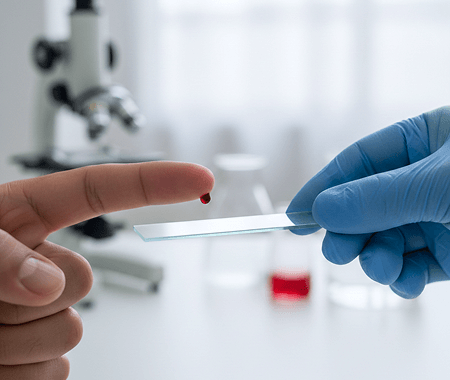
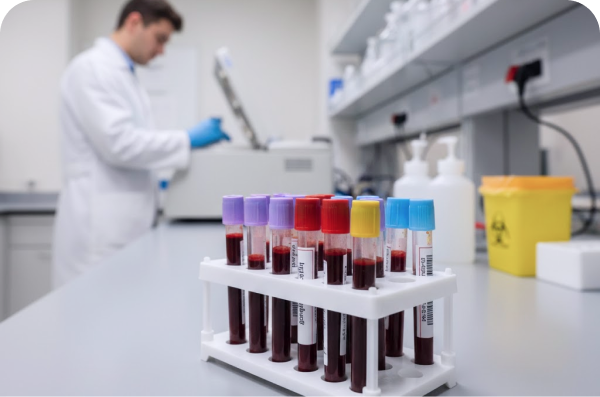
A blood sample is drawn and prepared as thick and thin smears on glass slides. The slides are stained and examined under a microscope by a trained technician to identify malarial parasites.
What Happens After the Test?
If parasites are detected, appropriate antimalarial treatment is initiated based on the species identified. Parasite load helps determine disease severity and guide treatment intensity.
Frequently Asked Questions (FAQs)
Is one test enough?
May need repeat testing; if initial results are negative but clinical suspicion remains high, repeat testing at 12-24 hour intervals is recommended.How accurate is smear testing?
Highly, when done properly; microscopic examination by experienced personnel remains the gold standard with high sensitivity and specificity.Does it identify malaria type?
Yes, thin smears allow identification of the specific Plasmodium species (P. falciparum, P. vivax, P. ovale, P. malariae) and parasite stage.Is fasting required?
No, fasting is not required for malaria blood smear testing; the test can be performed at any time.Can it detect low parasite levels?
Thick smear helps; thick smears are particularly useful for detecting low parasite levels that might be missed with thin smears alone.